
Is “pure” always the better choice for your body? When comparing brown’s gas vs molecular hydrogen, the answer isn’t as simple as a percentage on a label. You might assume that 100% pure hydrogen is the ultimate goal for wellness. However, technical data suggests that a specific 2:1 stoichiometric ratio of hydrogen and oxygen offers a more balanced and sustainable approach for daily inhalation.
It’s easy to feel lost in a sea of conflicting terms like HHO and oxy-hydrogen. You want the deep cellular benefits of hydrogen, but the fear of hypoxia during long sessions is a genuine concern. This review bridges that gap by examining the peer-reviewed research behind the 66/33 therapeutic ratio. We’ll explore how this mixture acts as a selective antioxidant to neutralize harmful hydroxyl radicals without interfering with essential cellular functions. You will gain a clear understanding of the safety protocols used in clinical trials and see why the PureONE Molecular Hydrogen Generator is designed to meet these rigorous technical benchmarks. It’s time to move past the marketing hype and look at the data.
Key Takeaways
- Understand the scientific distinction between brown’s gas vs molecular hydrogen to determine which gas composition best supports your specific health goals.
- Learn why the 66/33 hydrogen-oxygen ratio is essential for preventing hypoxia and enhancing mitochondrial uptake during high-volume inhalation sessions.
- Explore technical findings on how selective antioxidant action targets cytotoxic ROS while preserving the beneficial signaling molecules your body needs.
- Discover how peer-reviewed research on glucose metabolism and insulin sensitivity validates the therapeutic potential of hydrogen for metabolic health.
- Identify the hardware requirements for a high-performance home system; including why a stainless steel condenser is vital for consistent gas output.
Defining the Therapeutic Landscape: Brown’s Gas and Molecular Hydrogen
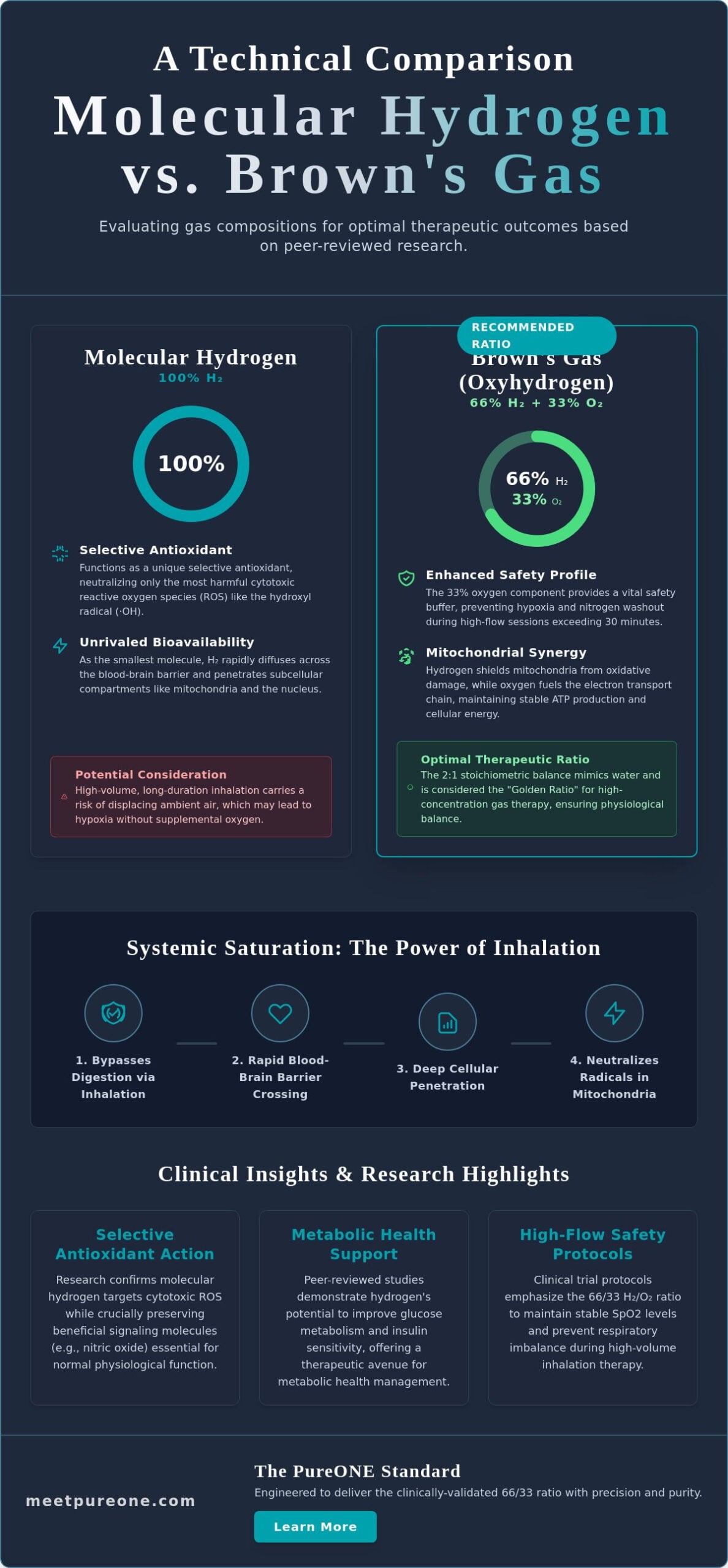
Understanding the technical nuances of brown’s gas vs molecular hydrogen is the first step toward optimizing your wellness routine. Molecular hydrogen, or H2, is a unique molecule. It functions as a selective antioxidant. This means it doesn’t just neutralize everything in sight. It specifically targets the most cytotoxic reactive oxygen species, like the hydroxyl radical. Why does this matter? Your body needs some free radicals for cellular signaling. H2 leaves those alone while cleaning up the dangerous ones.
Brown’s Gas (HHO) takes this a step further. It’s a specific mixture of two parts hydrogen and one part oxygen. This 66% to 33% ratio is often called the “Golden Ratio” for inhalation therapy. Unlike using pure H2 alone, this mixed-gas approach ensures you receive supplemental oxygen alongside the hydrogen. It’s a balanced delivery system that mimics the stoichiometric balance of water itself. This synergy is a cornerstone of modern research into high-concentration gas therapy.
The Bioavailability of Inhaled Gases
Inhalation is a powerhouse for delivery. By breathing the gas, you bypass the digestive tract entirely. This allows for immediate cellular access. H2 is the smallest molecule in the universe. It diffuses rapidly across the blood-brain barrier. It even penetrates sub-cellular compartments like the mitochondria and the nucleus. This level of systemic saturation is difficult to achieve through other methods. It’s why many researchers prefer inhalation for chronic conditions. To better understand the power of Molecular Hydrogen and how it can benefit your life at a cellular level, exploring the research behind this tiny molecule’s unique reach is essential. If you want to build a safe and effective routine around these benefits, a comprehensive resource on hydrogen inhalation therapy at home can help you translate the clinical data into daily practice.
Hydrogen vs. HHO: Terminology for the Modern User
You’ll often see “Brown’s Gas” used interchangeably with Oxyhydrogen in medical literature. They refer to the same 2:1 gas mixture. When using a high-performance system like the PureONE Molecular Hydrogen Generator, gas purity is paramount. A dedicated condenser is used to remove moisture and impurities. This ensures the gas you inhale is clean and consistent. High-quality data from clinical settings emphasizes that the presence of oxygen during high-volume hydrogen inhalation is a critical safety and performance factor. It helps maintain respiratory balance while delivering high-dose antioxidants.
The Synergistic Mechanism of 66% Hydrogen and 33% Oxygen
Why do we focus so heavily on the 66/33 ratio? It’s about physiological balance. When investigating brown’s gas vs molecular hydrogen, we find that high-volume hydrogen inhalation without supplemental oxygen carries a risk of hypoxia. By including 33% oxygen, the mixture remains physiologically supportive for long-term use. This specific blend is more than just a gas; it’s a metabolic tool that ensures your blood oxygen saturation remains stable even during deep therapeutic sessions.
The presence of oxygen facilitates the delivery of hydrogen at the cellular level. This is often linked to the Bohr Effect, where oxygen levels influence how gases are exchanged and utilized within the mitochondria. Research into the therapeutic potential of a 66% hydrogen and 33% oxygen mixture shows it can modulate oxidative stress more effectively than H2 alone in certain inflammatory models. It’s a “high-tech, low-barrier” approach to foundational health.
Mitochondrial Support and ATP Production
Hydrogen acts as the shield, reducing oxidative damage to the delicate mitochondrial membrane. Oxygen acts as the fuel, supporting the electron transport chain to maintain ATP production. The 66/33 mix supports cellular respiration by providing necessary oxidative fuel while simultaneously neutralizing the excess free radicals produced during energy metabolism. This dual action is why many users report improved recovery times and sustained energy levels.
Safety Protocols in High-Flow Inhalation
Safety is paramount when dealing with high concentrations. When evaluating brown’s gas vs molecular hydrogen, safety engineering becomes the top priority. The 33% oxygen component provides a vital safety buffer for sessions exceeding 30 minutes. This prevents the displacement of ambient air that can occur with pure hydrogen systems. Key safety factors include:
- Maintaining consistent SpO2 levels in the bloodstream.
- Preventing the risk of nitrogen washout in the lungs.
- Ensuring mitochondrial oxygen availability during high-dose antioxidant delivery.
If you’re looking for a system that manages this delicate balance with technical precision, the PureONE Molecular Hydrogen Generator is engineered specifically for this high-flow therapeutic output. It’s designed to deliver the 66/33 ratio reliably, allowing you to focus on your recovery rather than the technicalities of gas mixtures.
Clinical Applications: Oxidative Stress and Chronic Inflammation
How does the body distinguish between “good” and “bad” oxidants? When we look at brown’s gas vs molecular hydrogen, the clinical value lies in selectivity. Molecular hydrogen doesn’t disturb essential signaling molecules like nitric oxide or hydrogen peroxide. Instead, it hunts the hydroxyl radical. This is the most destructive free radical in human biology. By neutralizing it, hydrogen prevents the cascading damage often seen in chronic inflammatory states.
Research into Brown’s Gas for Health highlights how the 66/33 mixture supports metabolic function. In clinical observations related to type 2 diabetes, hydrogen inhalation has shown promise in improving glucose metabolism. It appears to enhance insulin sensitivity by modulating the pathways that regulate energy expenditure. Similarly, for those managing arthritis, a January 2026 evidence-based review of 45 studies indicates a measurable reduction in pro-inflammatory cytokines like TNF-alpha and IL-6. This isn’t just about masking pain. It’s about downregulating the inflammatory response at a cellular level.
Targeting the Hydroxyl Radical
Neurological and Cognitive Protection
Recent 2024 and 2025 studies have begun to map the neuroprotective effects of hydrogen-oxygen blends. The gas easily crosses the blood-brain barrier to combat neuroinflammation. This leads to reports of improved cognitive clarity and reduced brain fog in clinical subjects. If you’re interested in the long-term implications, you can read more about How Can Hydrogen Therapy Help Extend Your Life? for a deeper look at the longevity data.
Ready to bring these clinical benefits into your daily life? You can view the technical specifications of the PureONE system to see how it delivers these precise ratios for home use.
Evaluating High-Concentration Systems for Home Wellness
How do you bring clinical-grade technology into your living room? When looking at brown’s gas vs molecular hydrogen generators, the hardware’s ability to maintain gas stability is the deciding factor. Most home users need a system that doesn’t just produce gas but manages it with technical precision. A proprietary stainless steel condenser is vital here. It removes excess water vapor to ensure the 66/33 ratio remains consistent throughout your entire session. Without this component, gas concentration can fluctuate. These fluctuations undermine the specific stoichiometric balance required for effective antioxidant therapy.
Technical criteria for home units should go beyond simple flow rates. You need to consider gas concentration and multi-modal functionality. Can the device handle inhalation while also creating hydrogen-infused water? High-performance systems are designed to deliver consistent results across all applications. This ensures that the cellular impact you read about in peer-reviewed studies is actually what you experience at home. It’s about bridging the gap between laboratory data and daily practice. For a research-driven breakdown of what to look for when setting up a hydrogen inhalation therapy at home routine, the latest clinical guidance can help you make a confident, informed decision.
The PureONE Advantage: Engineering for Efficacy
The PureONE Molecular Hydrogen Generator is engineered to solve these stability issues. It maintains a steady 66/33 mixture, aligning perfectly with the research-backed “Golden Ratio” for long-term safety. This consistency is why many public figures and health innovators prioritize this specific delivery method. They aren’t looking for a generic gas; they want the exact ratio found in the most promising clinical trials. It’s a “high-tech, low-barrier” solution for anyone serious about foundational cellular health.
Implementing a Daily Hydrogen Protocol
Building a routine shouldn’t be complicated. Current wellness research suggests that sessions of 30 to 60 minutes are optimal for systemic saturation. Because the PureONE system is multi-modal, you can easily transition from inhalation to creating high-concentration infused water for metabolic support. This versatility ensures you get the most out of the technology. To make the discovery process easier, we offer a 365-day risk-free trial. It’s our way of letting you verify the technical performance and cellular benefits on your own terms. Ready to start? Visit the PureONE shop to explore our latest high-performance systems.
Optimizing Your Cellular Health Strategy
Choosing between brown’s gas vs molecular hydrogen becomes simple once you prioritize physiological balance. The research is clear. A 66/33 ratio ensures you receive therapeutic hydrogen levels without compromising your oxygen saturation. This synergy protects your DNA from oxidative damage while fueling the mitochondria for better energy production. It’s a technical approach that moves beyond basic wellness into targeted cellular support.
Consistency is what transforms data into results. The PureONE system is manufactured in Canada and features a proprietary condenser to keep your gas delivery stable and safe. It’s the same high-performance technology endorsed by Howie Mandel for daily recovery. We believe in the science so much that we offer a 365-day risk-free trial. This gives you plenty of time to observe the impact on your own vitality and clarity.
Are you ready to upgrade your recovery protocol? Experience the benefits of the 66/33 ratio with the PureONE Molecular Hydrogen Generator and take a confident step toward better living. We’re excited to be part of your discovery.
Frequently Asked Questions
Is Brown’s Gas safe to inhale for extended periods?
Yes, Brown’s Gas is safe for longer sessions because it includes 33% oxygen. Inhaling pure hydrogen for extended periods can sometimes lead to hypoxia by displacing the oxygen in your lungs. The 66/33 ratio maintains stable blood oxygen saturation levels. This makes it a sustainable choice for sessions lasting 60 minutes or more. It’s a common-sense approach to high-dose antioxidant therapy.
What is the difference between Brown’s Gas and Oxy-Hydrogen therapy?
There’s no functional difference between these two terms. Oxy-hydrogen is the technical, scientific name for the gas mixture, while Brown’s Gas is a common name used in the wellness industry. When you’re looking at brown’s gas vs molecular hydrogen, the real distinction is whether the gas is pure H2 or a balanced 2:1 mix. Both terms describe the same synergistic blend of hydrogen and oxygen.
Can I use a Brown’s Gas machine to make hydrogen water?
Why is the 66% hydrogen and 33% oxygen ratio preferred over pure hydrogen?
The 66/33 ratio is preferred because it’s physiologically balanced and supports cellular respiration. Pure hydrogen systems often require very low concentrations to stay below the explosive limit in room air. By using a pre-mixed 33% oxygen flow, you can safely inhale higher hydrogen volumes. This synergy supports the electron transport chain in your mitochondria while the H2 neutralizes harmful hydroxyl radicals.
How does molecular hydrogen therapy affect inflammation markers like C-reactive protein?
Clinical studies show that molecular hydrogen can lower C-reactive protein (CRP) levels. CRP is a key biomarker for systemic inflammation. Hydrogen acts as a selective antioxidant to downregulate the pro-inflammatory cytokines that trigger CRP production. A 2026 evidence-based review noted that consistent inhalation helps stabilize these markers in patients with chronic inflammatory conditions. It’s a precise, data-driven way to manage internal stress.
Disclaimer
The information provided by Pureffect and any of its products are for educational and informational purposes only and is not intended as medical advice. Individual results may vary, and no specific health outcomes are guaranteed. Always consult a qualified healthcare professional before starting any wellness practice or product.